To spread the original, universal and eternal truth, path or law of yoga, which remains forever the same in essence, yet always adapts to the time and place.
|
To spread the original, universal and eternal truth, path or law of yoga, which remains forever the same in essence, yet always adapts to the time and place. |
|
|
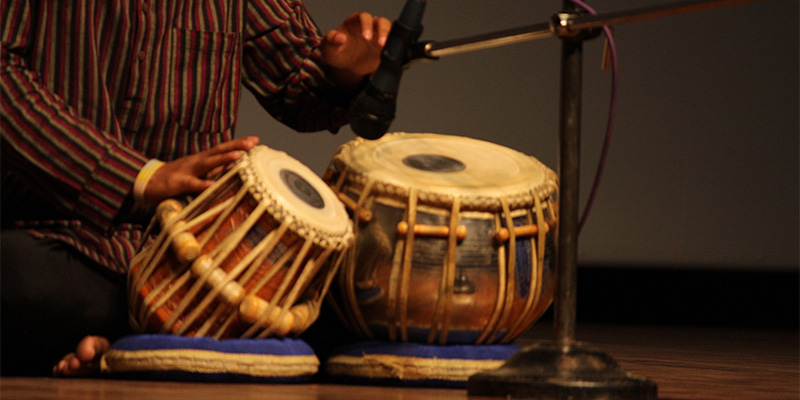
Music has been used as meditation music since the very dawn of civilization because it balances the human organism through its rhythmic pattern of tones, which are generated in a harmonic relationship with each other. On the contrary, the audible and inaudible frequencies of sound generated by the comforting technology of the modern age have created a layer of white noise in our environment. The need to maintain a proper ecological balance is more important than ever, and meditative and friendly harmonies in the right rhythm are the only answer to this chaotic and neurotic environment. To combat the noise we need soft and soothing organic sounds that are rich in sympathetic overtones. They influence the sympathetic nervous system and the internal organs. In fact, each human experience is translated into various tones inside the organism, which influence the endocrine glands and the blood chemistry. Meditative music has a healing effect on the body, mind, and spirit. To survive in an unfriendly modern soundscape, we must understand the various tones of the natural environment that change according to the time of the day. If you pay attention, you can notice a remarkable difference in the sounds of birds, animals, insects, and other natural noises during the cycles of morning, noon, evening, and night. These sounds change with the seasons as well. Even the pitch of our own voice changes as the day goes by. We will have to synchronise with the pattern of the sound present at a particular time of the day. The cycle of the day is similar to the cycle of life. Each hour represents a different mood - a different state of being. Listening to music which is synchronised to the sympathetic overtones of the season, time and hour of the day makes us flow in harmony with our natural environment, saves energy, regulates moods and provides inspiration to live and joy to enjoy. Indian classical music is rich in this field of musical composition. Ragas are created by inspired musicians, who were vigilant and heard the sounds in nature at seasonal changes and during the cycle of the day. Music for morning and evening meditation should be composed with the consciousness of the harmonics of the time and the hour of the day. The instruments used should be generating tones, which are in perfect harmonic scale of the time of the day and induce calmness and create a meditative mood. Music for morning meditation should produce a very tender, calming, and refreshing meditative mood that helps us step out of sleep and into a harmonious waking state. If heard at dawn and during the early morning for at least forty days in a row, it serves as a healing agent and increases personal magnetism. Music for evening meditation should inspire feelings of joy, confidence, satisfaction, inspiration and the calmness of moonlight. Listening to it improves mental and physical health and relieves stress. The droning sound of the tambura should have sympathetic overtones that subtly influence the nervous system. The composition should produce a meditative mood and bring about improved mental and physical health. Download the following mp3 files :
|
|
Synethsized extract from "Attunements for Dawn and Dusk - Music for Morning and Evening Meditation" by Harish Johari. |
 Sanatan Society is an international networking association of students of the late Harish Johari, joining efforts to promote his teachings of yoga philosophy, tantra, worship, art and love. Sanatan Society stands
for the original, universal and eternal truth, path or law of yoga.
Though it is Hindu in origin, Sanatan Society is not limited to any religion,
race, time or country, nor in fact to any particular organisation. More about Sanatan Society...
Sanatan Society is an international networking association of students of the late Harish Johari, joining efforts to promote his teachings of yoga philosophy, tantra, worship, art and love. Sanatan Society stands
for the original, universal and eternal truth, path or law of yoga.
Though it is Hindu in origin, Sanatan Society is not limited to any religion,
race, time or country, nor in fact to any particular organisation. More about Sanatan Society...