To spread the original, universal and eternal truth, path or law of yoga, which remains forever the same in essence, yet always adapts to the time and place.
|
To spread the original, universal and eternal truth, path or law of yoga, which remains forever the same in essence, yet always adapts to the time and place. |
|
The six tastes in Ayurveda - Interview
|
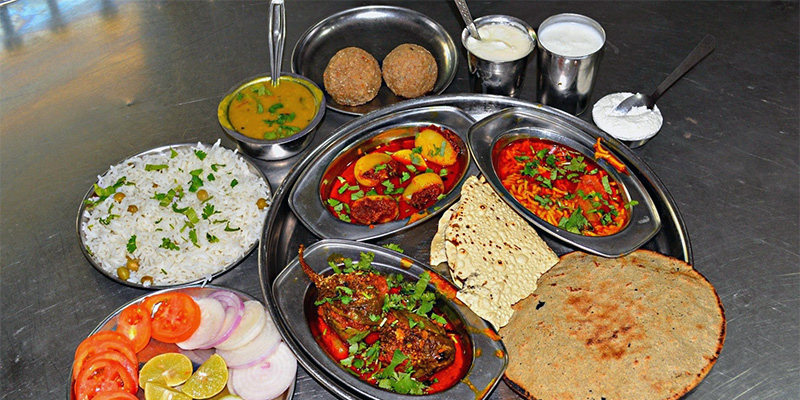
Interview with Harish Johari on the 6 tastes in Ayurvedic cooking. What are the six tastes in Indian cooking? There are six tastes and six taste buds with which to appreciate them: sweet, sour, salty, bitter, pungent, and astringent. All foods produce one of the six tastes. Each taste is a combination of two of the five basic material elements - earth, water, fire, air, and ether ( space ). The sweet taste results from the combination of earth and water. This is a sattvic taste that produces calories for energy, removes nervousness created by glucose deficiency, removes acidity, and provides radiance and a healthy glow to the skin. The sour taste is a mixture of water and fire. This taste is rajasic and therefore it excites the mind. Sour taste increases appetite, provides saliva, and helps digestion. The salty taste is produced from the merging of earth and fire. This taste is also rajasic and therefore it also excites hunger, attracts water, and liquefies mucus. The bitter taste results from a combination of air and space. It is rajasic and serves as an appetizer and blood purifier and rids the body of toxins. The pungent taste is a combination of air and fire. It is both rajasic and tamasic simultaneously. Pungent taste excites the sense organs, for example making the eyes water and the nose run. This taste increases circulation and produces perspiration. The astringent taste is a mixture of air and earth. Rajasic in nature, it purifies the blood, helps the skin, creates dryness, assimilates fats and oils and aids digestion. An intelligent, creative cook will provide all six tastes in his or her preparations rather than sticking to only one or two tastes. We are meant to experience all six different tastes. Unless we use all the tastes, some taste buds will remain unsatisfied, and the system will experience a certain imbalance and chemical deficiency. Balanced meals should include all six tastes. |
|
Extract from "The Spirit of Cooking" Interview with Harish Johari by Thomas Beaudry for "Clarion Call", Volume 3 - Number 4, 1990. |
 Sanatan Society is an international networking association of students of the late Harish Johari, joining efforts to promote his teachings of yoga philosophy, tantra, worship, art and love. Sanatan Society stands
for the original, universal and eternal truth, path or law of yoga.
Though it is Hindu in origin, Sanatan Society is not limited to any religion,
race, time or country, nor in fact to any particular organisation. More about Sanatan Society...
Sanatan Society is an international networking association of students of the late Harish Johari, joining efforts to promote his teachings of yoga philosophy, tantra, worship, art and love. Sanatan Society stands
for the original, universal and eternal truth, path or law of yoga.
Though it is Hindu in origin, Sanatan Society is not limited to any religion,
race, time or country, nor in fact to any particular organisation. More about Sanatan Society...