To spread the original, universal and eternal truth, path or law of yoga, which remains forever the same in essence, yet always adapts to the time and place.
Ashtanga Yoga Ashtanga Yoga includes all yoga
traditions.
Ashtanga Yoga
Ashtanga Yoga means to
purify the mind through eight (Asht) steps, which is
basically prescribed by all schools and branches of
yoga. Each step in Ashtanga Yoga has to be mastered
before mastering the next can be successfully attempted
:
Yama (control) : nonviolence, truth, honesty,
sexual continence, forbearance, fortitude, kindness,
straightforwardness, moderation in diet, bodily purity.
Niyama (rules of conduct) : austerity, contentment,
belief in God, charity, worship of God, study of teachings
and scriptures, modesty, having a discerning mind,
repetition of prayers (japa),
observance of vows and performing sacrifices.
Asanas (postures) : as a motionless body
makes the mind quiet, 48 postures have been described
of which at the least one must be mastered if one
is to reach a deep state of meditation. See also asanas
in Hatha Yoga
Pranayama (control of breath) : inhalation,
holding the breath, exhalation … through 3 kinds
of muscular control (bandhas).
Pratyahara (withdrawal of sensory perceptions)
: consisting of breath suspension and holding the
mind, that step by step absorbs the senses in Kundalini
energy.
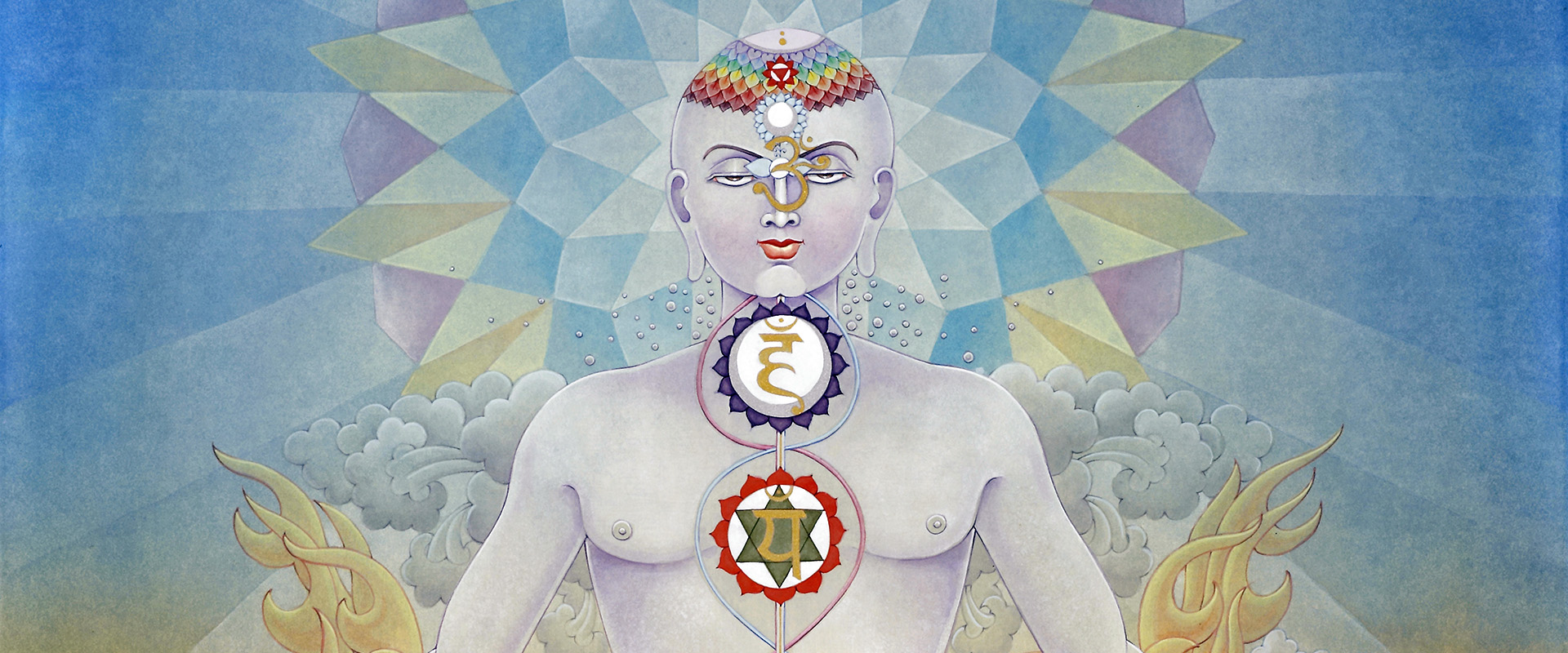
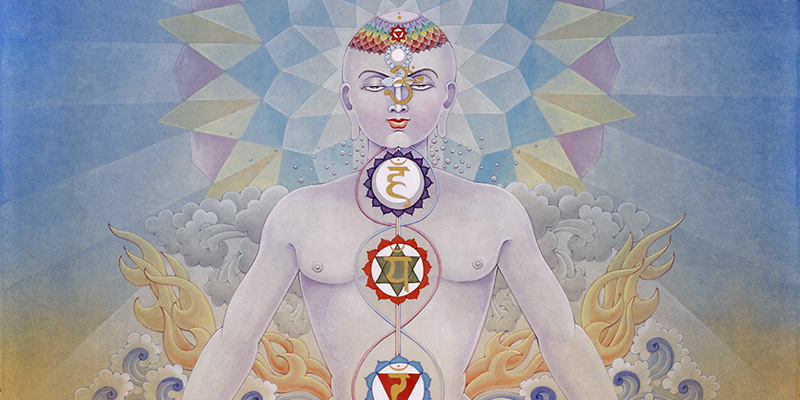
Dharana (concentration) : by the aid of
mantras
in Ashtanga Yoga, deep concentration on the six
subtle centers of the chakras,
starting from the first and gradually approaching
the seventh.
Samadhi (complete equilibrium) : the individual
consciousness becomes pure consciousness. After a
prolonged state of samadhi there is no need to practice
Ashtanga yoga any longer, because the conscious connection
with the divine is everlasting.
About this page
The above overview on
Ashtanga Yoga was extracted and synthesized by Wil Gereats from
various sources, among which the following are the most important
the "Chakras"
book, which offers detailed information on all main yoga
techniques and on chakra meditation, which involves all
aspects of Ashtanga Yoga.
Related video : Full Class - Samadhi in Ashtanga Yoga (75')
Sanatan Society is an international networking association of students of the late Harish Johari, joining efforts to promote his teachings of yoga philosophy, tantra, worship, art and love. Sanatan Society stands
for the original, universal and eternal truth, path or law of yoga.
Though it is Hindu in origin, Sanatan Society is not limited to any religion,
race, time or country, nor in fact to any particular organisation. More about Sanatan Society...

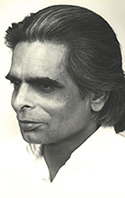 Sanatan Society is an international networking association of students of the late Harish Johari, joining efforts to promote his teachings of yoga philosophy, tantra, worship, art and love. Sanatan Society stands
for the original, universal and eternal truth, path or law of yoga.
Though it is Hindu in origin, Sanatan Society is not limited to any religion,
race, time or country, nor in fact to any particular organisation. More about Sanatan Society...
Sanatan Society is an international networking association of students of the late Harish Johari, joining efforts to promote his teachings of yoga philosophy, tantra, worship, art and love. Sanatan Society stands
for the original, universal and eternal truth, path or law of yoga.
Though it is Hindu in origin, Sanatan Society is not limited to any religion,
race, time or country, nor in fact to any particular organisation. More about Sanatan Society...